
When your SCADA system gets too old
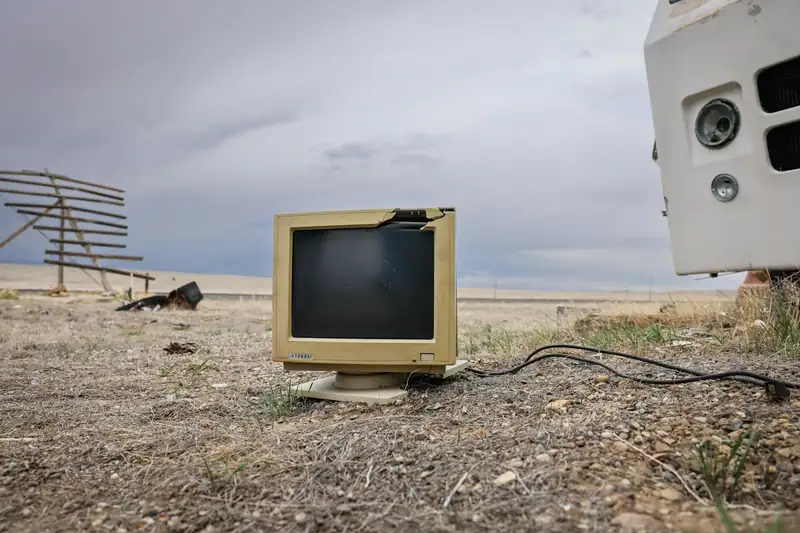
Many plants still run on SCADA systems that were set up fifteen or twenty years ago. As long as everything works, it is easy to leave it alone. But an old system rarely gets cheaper with age – it becomes more expensive, more vulnerable and harder to change.
Signs that it is time
- The licences are expensive. Every new client or screen costs money, and the renewal comes every year.
- Support has expired. The vendor has stopped updating the software, and it may be running on an operating system that no longer gets security updates.
- Nobody can make changes. The person who built the system has left, and the documentation is incomplete.
- It only works in the control room. Operations staff cannot keep an eye on things from a mobile phone or a home office.
- Data goes unused. The history is hard to extract, and reports are made by hand.
If you recognise yourself in two or more of these, it is worth looking at the alternatives.
What does waiting cost?
The biggest cost of an old system is rarely the licence – it is the risk. When an old server fails or a security weakness is exploited, operations stop. And the longer you wait, the more has usually been built on top of the old system, and the bigger the job becomes when it finally has to be done.
The transition does not have to stop production
Replacing a SCADA system does not mean everything has to be rebuilt. In most cases, existing PLCs and sensors can be reused, and the new system is connected to what is already there. The old and the new can often run side by side for a period, so that you can test before switching off the old one.
Elio has developed its own tools that automate large parts of the conversion to a new platform. This makes the transition faster and cheaper, with fewer errors than rebuilding everything by hand.
What do you get in return?
With a modern, web-based platform such as Ignition or EnvisionSCADA, you get screens in the browser and on mobile, no cost per user, history that is easy to use, and notifications by SMS, email, app and phone. And you get a system that can be built on – instead of one that has to be kept alive.
First step
Start with a review of what you have today: which systems, which controls and what documentation. That makes it clear what can be reused and what a transition would require.
Would you like an assessment of your plant? Read more about SCADA or get in touch with us for a no-obligation chat.